
The Best Haircuts for Thin Thick and Curly Hair
Discover the best haircuts for fine, thick, and curly hair types with expert guidance on which styles work and which to avoid for each texture.
The relationship between a haircut and the hair it is applied to is more fundamental than most clients appreciate at the moment of choosing a style. Trends, face shape, personal preference, and lifestyle are all…
Why Hair Type Should Shape the Decision Before Anything Else
The relationship between a haircut and the hair it is applied to is more fundamental than most clients appreciate at the moment of choosing a style. Trends, face shape, personal preference, and lifestyle are all important factors in the decision, but hair type is the variable that most directly determines whether a style will work as intended or will require constant effort to maintain a result that the hair is not structurally suited to produce. Ignoring hair type in the style selection process is the single most common reason clients feel perpetually dissatisfied with their haircuts despite visiting the salon regularly.
The broad categories of hair type relevant to haircut selection are fine and thin hair, thick and coarse hair, and curly or textured hair. Each of these types has distinct structural characteristics that determine how it behaves when cut, how it responds to different techniques, and what range of styles it can sustain realistically. Understanding those characteristics does not constrain the options available; it clarifies which options will actually deliver the result they appear to promise and which will require compromises that the client may not be willing to make.
This guide addresses each hair type directly, explaining what it does well, where its challenges lie, which cuts consistently produce good results, and which approaches to avoid. The goal is to provide clients with enough understanding of their own hair to have a more productive conversation with their stylist and to approach the style selection process with realistic expectations and genuine confidence.
The Best Haircuts for Fine and Thin Hair
Understanding What Fine Hair Does
Fine hair has individual strands of small diameter. Thin hair refers to lower overall density, meaning fewer hairs per square centimetre of scalp. Many clients have both fine and thin hair simultaneously, which is the most challenging combination for creating the appearance of volume and fullness. Fine hair tends to lie flat against the head, shows the scalp more readily, and can look limp by mid-afternoon even when styled carefully in the morning. It is also prone to breakage because the fine strand diameter means less structural strength per hair.
The challenge for fine and thin hair is creating the visual impression of density and movement without the underlying structure to support styles that rely on volume. The right cuts for this hair type are those that create that impression through technical means rather than through the application of volumising products that may provide temporary lift but cannot compensate for a cut that works against the hair's limitations.
Cuts That Work for Fine and Thin Hair
Blunt cuts are among the most reliable choices for fine and thin hair because the clean perimeter line creates the impression of weight and density that the hair's natural characteristics do not provide. A blunt bob that ends at or just below the jaw, for example, uses the even weight distribution at the perimeter to make the hair look fuller than it is. Adding too many layers to fine hair removes this weight advantage and can cause the hair to appear even thinner as the layering reveals the scalp through the reduced density at the mid-lengths.
Shorter cuts generally work well for fine hair because they reduce the length over which the hair must support itself under its own weight. Longer fine hair tends to flatten progressively as the day progresses because the weight of the length pulls the hair down against the scalp. At shorter lengths, this effect is reduced and the hair is more able to hold any shape or volume that has been styled into it.
Internal graduation, used carefully, can add the appearance of volume without the thinning effect of heavy layering. A graduated bob, for example, builds length from shorter at the nape to longer at the front, which creates internal structure and movement without removing the density that the perimeter line provides. This technique is well suited to fine hair when executed by a stylist who understands the limitations involved.
What to Avoid With Fine and Thin Hair
Heavy layering is the most common mistake with fine and thin hair. The impulse to add layers is understandable: layers create movement and appear to add dimension. But in fine hair, layers remove weight from the mid-lengths and ends, reducing the density at those points and making the scalp more visible. The resulting style often looks less full than the uncut alternative, not more.
Very long styles present a similar challenge. The longer fine hair grows, the more its own weight flattens it against the scalp and the more visible the scalp becomes through the reduced density. Clients with fine hair who want to maintain length often find that there is a practical ceiling beyond which the style simply does not look its best regardless of the cut.
The Best Haircuts for Thick and Coarse Hair
Understanding What Thick Hair Does
Thick hair, whether individual strands are coarse in diameter or overall density is high, presents a different set of challenges from fine hair. Rather than lacking volume, thick hair often has too much of it, distributed in ways that can be difficult to control. Without the right cut, thick hair can become heavy, shapeless, and difficult to manage between washes. It may also take a long time to dry and can feel uncomfortably hot in warmer weather. The task of the right haircut is to manage this volume intelligently rather than to create volume that does not exist.
Cuts That Work for Thick and Coarse Hair
Internal layering is the primary technical tool for managing thick hair effectively. By removing weight from the interior of the style rather than from the perimeter, a skilled stylist can reduce the bulk and improve the movement of thick hair without significantly changing the overall shape or length. This approach is preferable to heavy thinning or razoring of the ends, which can cause thick hair to fray and can make it more difficult to style rather than less.
Longer styles generally suit thick hair well because the weight of the length encourages the hair to hang rather than to expand outward. At shorter lengths, thick hair tends to push outward, creating a style that looks wider at the sides than intended and that requires more daily management to keep under control. Clients who prefer shorter styles with thick hair benefit most from cuts that use graduation and internal layering to manage the shape rather than relying on the length to control the volume.
Textured cuts, including styles with deliberate movement and varied lengths throughout the style, suit thick hair well because they allow the volume to become part of the character of the style rather than something to be fought against. A style that works with the natural behaviour of thick hair, directing its volume rather than trying to eliminate it, is both more effective and lower maintenance than one that relies on daily intervention to maintain a specific shape.
What to Avoid With Thick and Coarse Hair
Blunt one-length cuts without internal management can cause thick hair to appear triangular, widening toward the ends as the weight of the hair pushes the bottom of the cut outward. This effect is most pronounced at shorter lengths and for hair that has any natural coarseness or texture. The solution is internal graduation and layering that redistributes the weight rather than allowing it to accumulate at the perimeter.
Over-thinning with thinning shears or razor techniques can cause the ends of thick hair to split, fray, and become flyaway, particularly in humid conditions. While some thinning is appropriate for managing very dense hair, it should be used conservatively and targeted at the mid-lengths rather than concentrated at the ends.
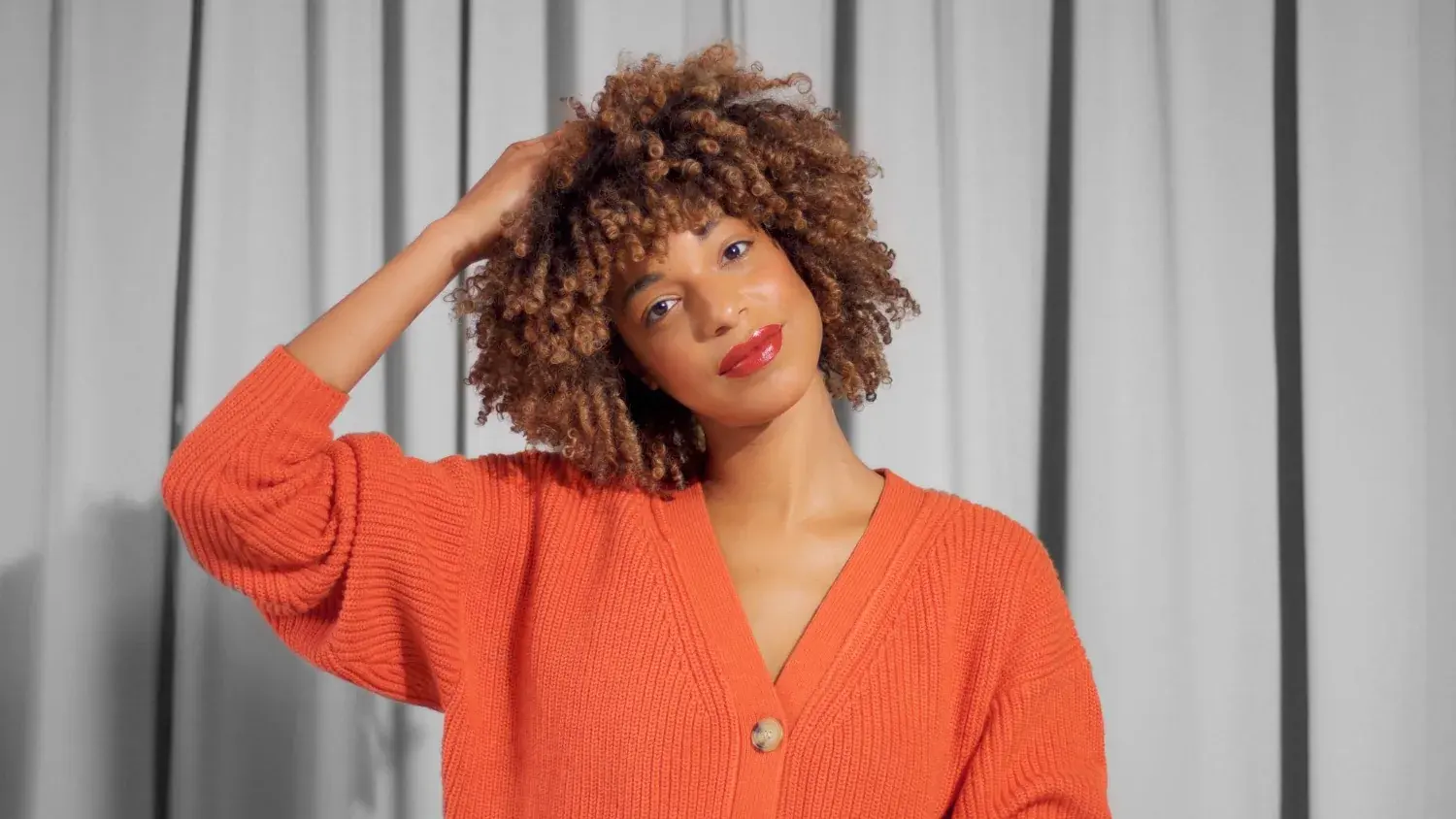
The Best Haircuts for Curly and Textured Hair

Understanding What Curly Hair Does
Curly and textured hair requires a fundamentally different technical approach from straight or slightly wavy hair. The curl pattern means that the hair is significantly longer when straightened than it appears when the curl is present, which is the primary reason that curly hair cuts behave differently from the client's perspective. A curl that sits at the shoulder when allowed to spring naturally may be several centimetres longer when pulled straight. This shrinkage factor means that curly hair cuts must account for how the curl will behave once it is dry, not just how the hair looks when it is wet and extended.
Many of the less satisfying experiences that curly-haired clients have had with haircuts are the result of cuts executed on wet, extended hair without adequate consideration of how the curl will shorten and redistribute once the hair dries. Stylists experienced in curly hair cutting typically cut the hair dry or allow it to partially dry before making final judgements about the shape.
Cuts That Work for Curly and Textured Hair
The most consistently effective approach for curly hair is a cut that follows and enhances the natural curl pattern rather than working against it. Layers placed to encourage the curls to spring and form evenly throughout the style, rather than pulling down under their own weight, allow the hair to express its natural texture in its best form. Long layers that remove weight from the lower sections without significantly shortening the overall length are often the foundation of a good curly cut.
Avoiding sharp perimeter lines is generally advisable for curly hair, as the curl pattern means that a blunt line will not sit evenly against the face or shoulders but will instead appear jagged or uneven as different sections of hair curl to different degrees. A softer, more diffused perimeter works with the curl's natural variability rather than against it.
For clients whose previous haircut experiences have not accounted adequately for their curl pattern, working with stylists who have specific experience in cutting curly and textured hair makes a measurable difference to the result. Our ladies and mens hair cuts are delivered by a team with experience across all hair textures and types.
Conclusion
The best haircut for any individual is the one that works with the structural reality of their hair rather than against it. Fine hair, thick hair, and curly hair each require a specific technical approach, and the stylists who understand those differences produce results that hold up between appointments and that genuinely represent the client well. If you are ready to work with a team that takes your hair type seriously as the foundation of every recommendation, book your appointment and let us find the cut that actually works for your hair.
Ready to book your next appointment?
Every visit to TopOne Richmond starts with a one-to-one consultation, so your cut, colour or treatment is tailored to your hair, your features and your routine.
Visit us in Richmond
TopOne is a hair salon in Richmond at 31 The Quadrant, TW9 1DN. A short walk from Richmond station, open Tuesday to Saturday.
More from the blog

31 May 2026
How Often Should You Get a Haircut? A Complete Guide
Find out exactly how often you should get a haircut based on your style, hair type, and condition with this expert complete guide.

31 May 2026
Low-Maintenance Haircuts That Still Look Stylish
Discover low-maintenance haircuts that look stylish with minimal daily effort, chosen for your hair type, face shape, and lifestyle.

31 May 2026
Men's vs Women's Haircuts: What's the Real Difference?
Explore the real technical and conventional differences between men's and women's haircuts to make a more informed choice about your next visit.
Ready to book your next appointment?
At TopOne Hair & Beauty Richmond, we believe in results that last. Not just on the day, but in the weeks that follow.